Croatian Culture &Heritage
Discover centuries of history, vibrant traditions, and a unique cultural identity that shapes modern Croatia. From ancient Roman architecture to contemporary arts scene.
UNESCO World Heritage Sites
Croatia is home to eight UNESCO World Heritage Sites, representing exceptional value to humanity. From ancient Roman palaces to pristine national parks, these treasures tell the story of Croatian civilization.
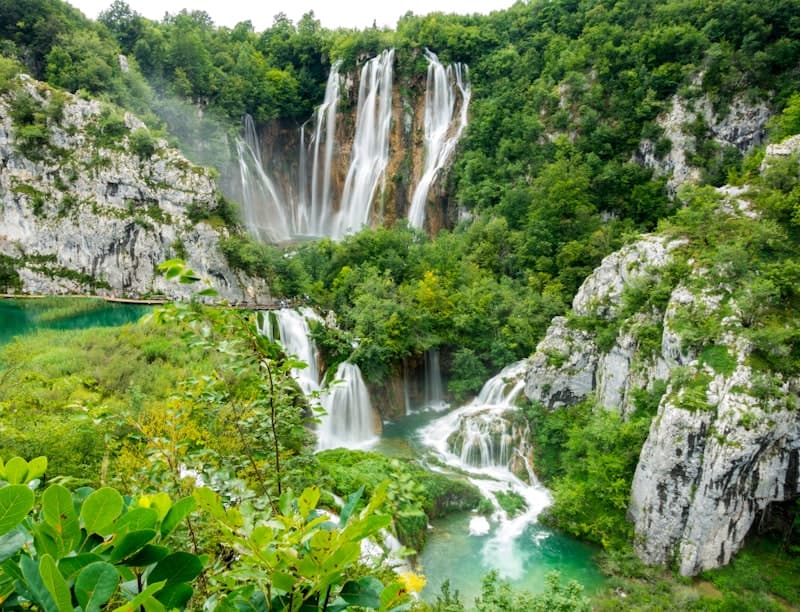
Plitvice Lakes National Park
A stunning series of 16 interconnected lakes with cascading waterfalls, surrounded by pristine forests. One of Croatia's most beloved natural treasures.
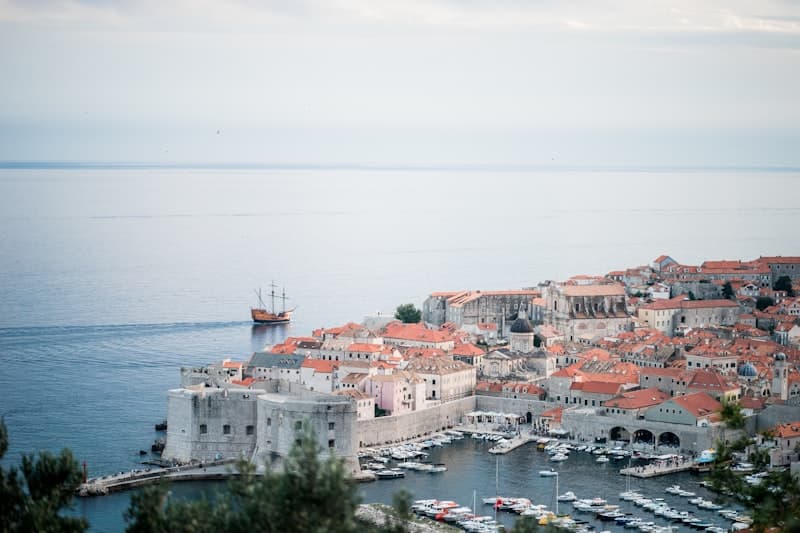
Dubrovnik Old City
The "Pearl of the Adriatic" - a perfectly preserved medieval city surrounded by massive stone walls, overlooking the stunning blue Adriatic Sea.

Diocletian's Palace
Ancient Roman palace built for Emperor Diocletian, now a living part of Split city where people work, live, and socialize among 1,700-year-old walls.
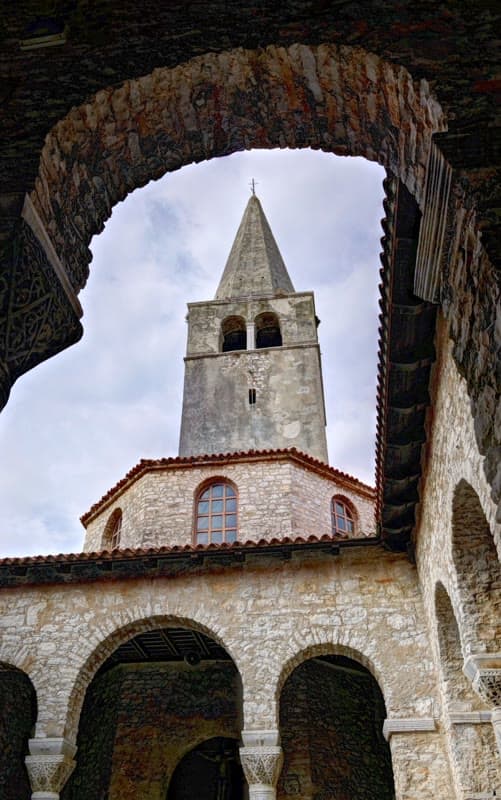
Euphrasian Basilica
A stunning example of early Byzantine art and architecture, featuring magnificent 6th-century mosaics that rival those of Ravenna.
Experience Croatian Heritage
Discover the authentic stories behind Croatia's most treasured sites and connect with our cultural community.
Living Croatian Traditions
Experience authentic Croatian culture through centuries-old traditions that continue to thrive in modern communities. From klapa singing to intricate lacemaking, discover authentic cultural practices.
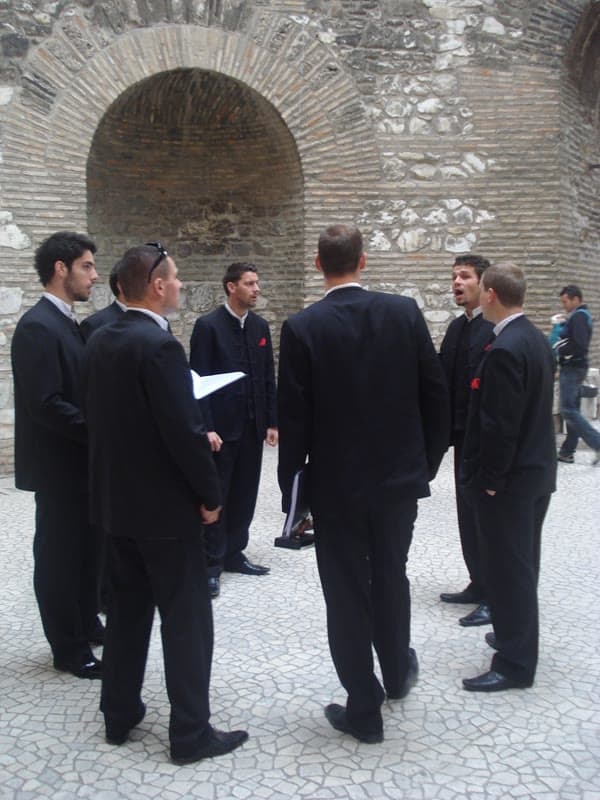
Klapa Singing
Traditional a cappella multipart singing that captures the soul of Dalmatian culture. This UNESCO-recognized musical tradition brings communities together through harmony.
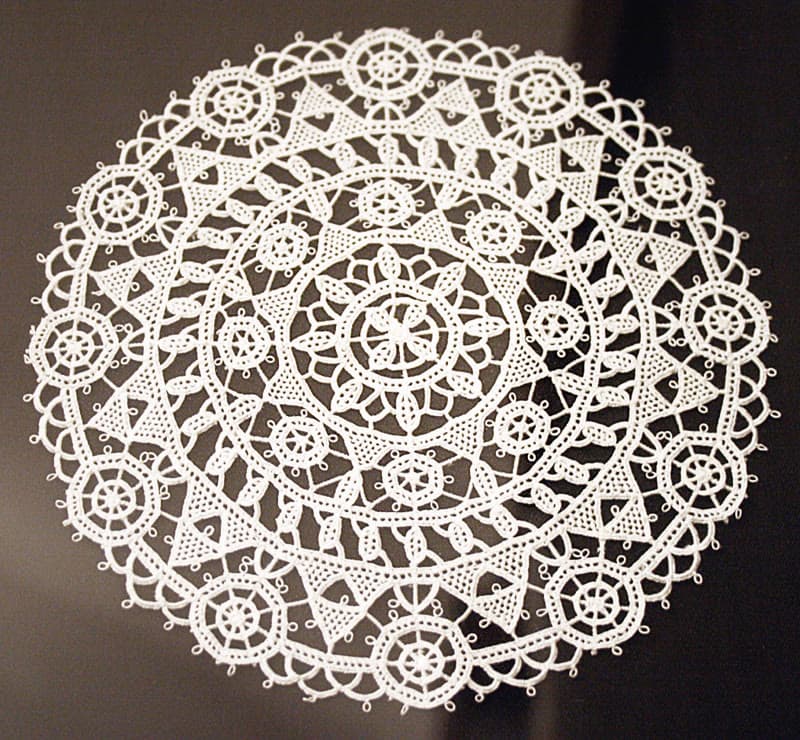
Pag Island Lacemaking
Intricate lacemaking tradition using unique needlepoint technique passed down through generations. Each piece tells a story of patience and artistic mastery.
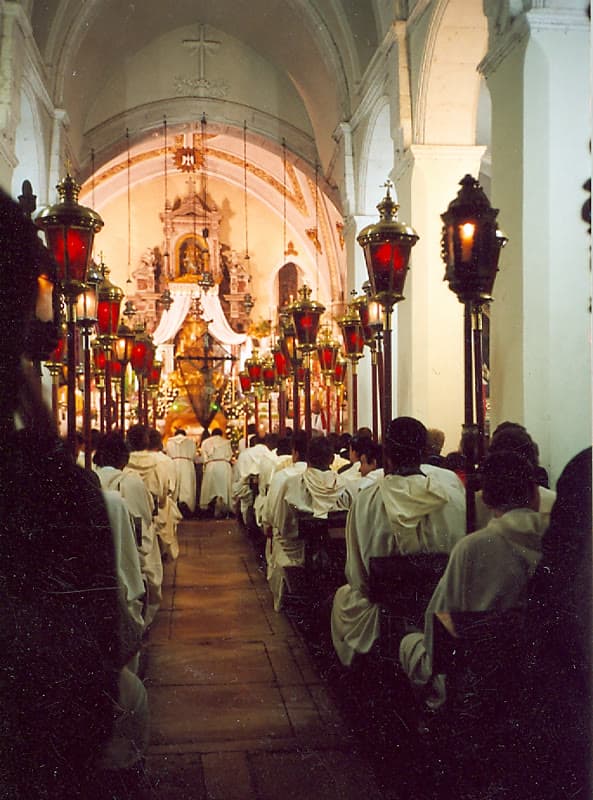
Za Krizen (Following the Cross)
A centuries-old Easter procession where hooded figures carry wooden crosses through villages in complete silence, maintaining sacred traditions.
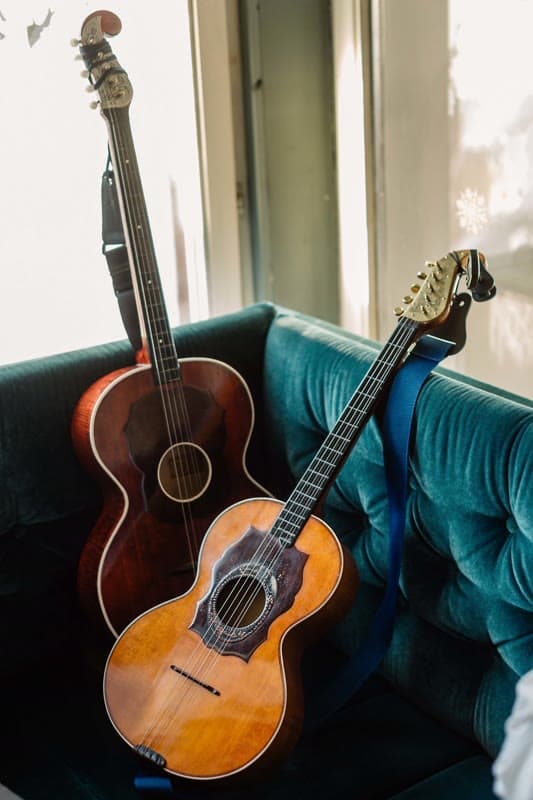
Slavonian Folk Music
Vibrant folk music featuring traditional instruments like tambura, creating joyful melodies that make everyone want to dance and celebrate life.
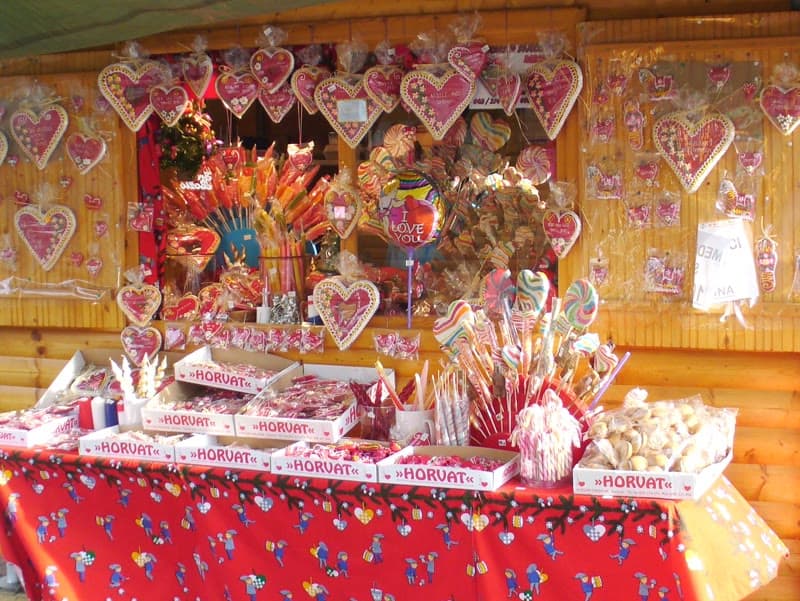
Croatian Gingerbread Craft
Artistic gingerbread making that goes beyond cookies - intricate edible sculptures and decorative hearts that symbolize love and good wishes.

Istrian Culinary Traditions
A unique fusion of Italian and Croatian influences, featuring truffles, olive oil, and wine traditions that represent Croatia's Mediterranean soul.
UNESCO Protected Heritage
Many Croatian traditions are recognized by UNESCO as Intangible Cultural Heritage of Humanity, ensuring these precious cultural practices are preserved for future generations.
Become Part of Living Heritage
Join authentic cultural experiences and workshops to connect with Croatian traditions. Learn from masters, participate in ceremonies, and create lasting memories.
Journey Through Croatian History
Explore over a thousand years of Croatian history, from medieval kingdoms to modern European integration. Each era has shaped the Croatia we know today.
Prehistoric Croatia
Before 1st Century BC
Ancient Illyrian tribes inhabited the Croatian lands, leaving behind impressive hill forts and artifacts that show sophisticated Bronze Age culture.
Historical Significance
Foundation period that established Croatian territorial identity and early cultural patterns.
Key Events
- Illyrian tribes settle Croatian territories
- Construction of Illyrian hill forts
- Development of early trade routes
- First contact with Greek colonies
Key Figures
- Illyrian tribal chiefs
- Ancient metalworkers and artisans
- Early traders and seafarers
Cultural Legacy
Archaeological sites, ancient fortifications, early metalworking techniques
Modern Impact
Archaeological tourism, cultural identity foundations, territorial consciousness
Did You Know?
Years of documented Croatian statehood
UNESCO World Heritage Sites
Different historical capitals
Walk in the Footsteps of History
Visit historical sites, museums, and cultural centers to experience Croatian history firsthand. From Roman ruins to medieval castles, every corner tells a story.